Spain has one of the deepest concentrations of medical wellness clinics in Europe, so several of these operate as wellness retreats with assessment and a prescribed programme, while the rest are wellness resorts where the treatments are chosen rather than prescribed.
The lively shores and ancient hills of Spain offer an unparalleled sanctuary for those seeking evolution through wellness. The country's diverse landscapes host exceptional Spain wellness resorts that blend Iberian passion with holistic healing. These Spanish wellness resorts serve as gateways to profound renewal, not merely places to stay. "Listas"(Get yourself ready) for an extraordinary journey where science meets spirituality, where wellness elevates the ordinary to the mystical in the top wellness sanctuaries Spain has to offer.
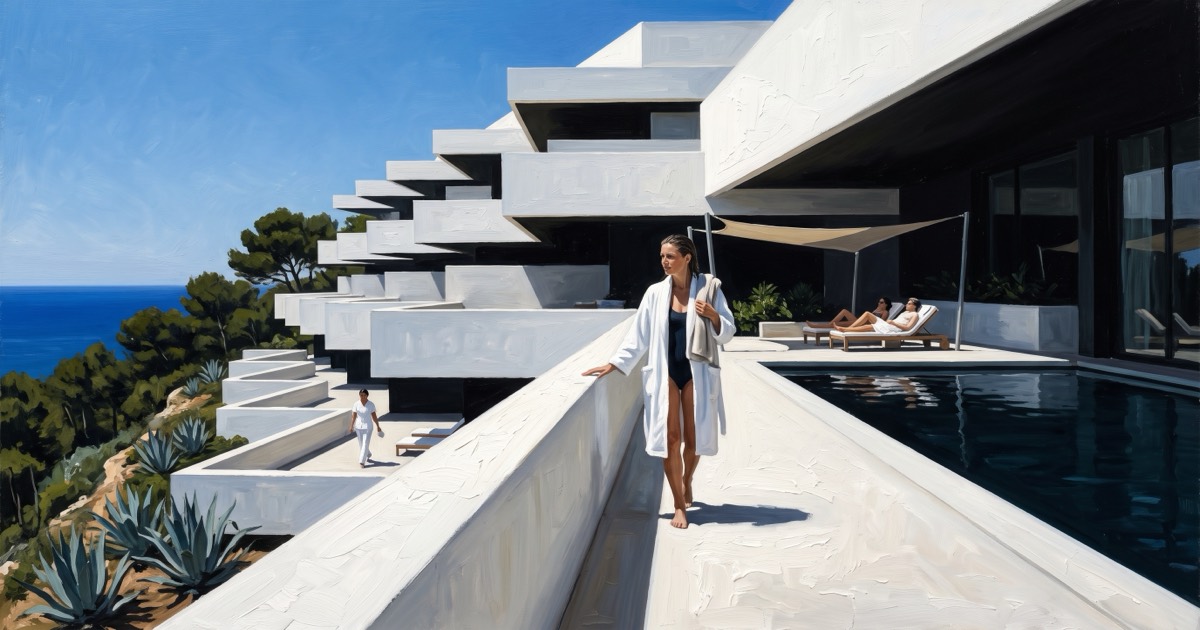
Spain holds some of Europe's most serious medical wellness properties, SHA Wellness Clinic among them, alongside thermal spas with Roman-era origins such as Caldes de Montbui and a large number of resort spas along the coasts and islands. The range is wide, and the distinction between a licensed clinic with resident physicians and a hotel with a good spa matters when choosing.
The Mediterranean diet has genuine evidence behind it for cardiovascular health — a pattern built on vegetables, pulses, fish, nuts and olive oil. Two clarifications on how it is often sold: olive oil is a healthier fat than most, not a medicine; and wine is not a health food. The older view that moderate drinking confers cardiovascular benefit has not held up well, and the World Health Organization's position is that no level of alcohol consumption is established as safe. Enjoy Spanish wine as a pleasure and part of the culture rather than as part of a health regime.
What the setting reliably offers is sunshine, walking, good food and coastline — which is a sound basis for a restorative week without further embellishment.
Spain Apex 6 Wellness Resorts 2026 — Comparison at a Glance
| Resort | Location | Type | Stay | Price Range | Best Season | Signature Experience | Wellness Focus |
|---|
| SHA Wellness Clinic | Alicante | All-Inclusive | 4-21 days | $$$$ | Year-round | SHA Method genetic & microbiome | Integrative medical wellness |
| Six Senses Ibiza | Ibiza | A La Carte | Flexible | $$$$ | May–Oct | RoseBar & longevity screening | Longevity programmes & sustainability |
| Abadia Retuerta LeDomaine | Valladolid | A La Carte | Flexible | $$$$ | Apr–Oct | 12th-century abbey Santuario spa | Vineyard & heritage wellness |
| Marbella Club Hotel | Marbella | A La Carte | Flexible | $$$$ | Year-round | Thalasso spa seawater circuit | Mediterranean coastal luxury |
| Finca Serena Mallorca | Mallorca | A La Carte | Flexible | $$$ | Apr–Oct | Silent meditation garden walks | Rural serenity & nature healing |
| Finca Cortesin | Casares, Málaga | A La Carte | Flexible | $$$$ | Year-round | Japanese-Andalusian fusion spa | Luxury golf & wellness resort |
Read This First: Medical Procedures Sold as Wellness
Spain has the deepest concentration of medical wellness clinics in Europe alongside Switzerland, and that is a genuine strength. It also means several properties here offer procedures that are medical rather than spa treatments, and the distinction matters.
- Stem cell-related therapies warrant the clearest warning. Stem cell treatments outside approved indications are not established, are the subject of regulatory warnings in several jurisdictions including from the US FDA, and can carry serious risks — documented harms from unapproved regenerative products include blindness, tumour formation and life-threatening infection.
- Intravenous nutrient infusions are a medical procedure and should follow assessment rather than preference. They bypass the digestive regulation that normally limits absorption, and risks include site infection, vein inflammation, clotting, fluid overload and vitamin toxicity. Anyone with kidney or heart disease should not receive intravenous fluids except on their own doctor's instruction.
- Whole-body cryotherapy has no device cleared or approved by the US FDA for any medical condition. Documented risks include frostbite, burns and eye injury. It is not suitable for people with cardiovascular conditions, uncontrolled high blood pressure, Raynaud's syndrome or cold allergy, or during pregnancy.
None of these is an accolade. Discuss any of them with your own doctor before you travel, not on arrival, and continue any treatment you are already receiving. Where a property offers diagnostics, ask what is being tested, how it is interpreted, and what you would do differently because of the result.
Frequently Asked Questions — Spain Wellness Resorts
What is SHA Wellness Clinic and why is it considered world-class?
SHA Wellness Clinic in Alicante is consistently ranked among the top 3 medical wellness destinations globally. Founded on the SHA Method, it integrates Western medical diagnostics — including genetic testing, microbiome analysis, and advanced blood biomarkers — with macrobiotic nutrition, Traditional Chinese Medicine, natural therapies, and cognitive health programs. SHA employs over 50 medical specialists across departments including internal medicine, dermatology, dentistry, cognitive neuroscience, and regenerative medicine. Programs range from 4 to 21 days and are fully all-inclusive. The clinic’s second location in Mexico’s Riviera Maya launched recently, confirming its global expansion. SHA represents the pinnacle of the “medical wellness” category worldwide.
How does Spain’s Mediterranean lifestyle contribute to wellness?
Spain’s Mediterranean lifestyle is itself a wellness program supported by extensive scientific research. The country averages over 300 days of sunshine annually, supporting vitamin D synthesis and circadian rhythm health. The Mediterranean diet — rich in olive oil, fresh seafood, seasonal vegetables, and moderate wine — is associated with lower rates of cardiovascular disease, cognitive decline, and depression in peer-reviewed studies. Spain’s cultural traditions of siesta (afternoon rest), late dining (supporting extended social connection), and paseo (evening walks) create natural daily rhythms that align with modern chronobiology research. These aren’t resort programming additions — they’re the natural environment in which Spanish wellness resorts operate.
Which region of Spain is best for wellness travel?
Spain’s wellness landscape spans diverse regions. The Costa Blanca (Alicante) is home to SHA Wellness Clinic, offering a warm Mediterranean climate year-round. Ibiza, beyond its nightlife reputation, hosts Six Senses Ibiza with a focus on longevity and sustainability in a Balearic island setting. Castilla y León in central Spain features Abadia Retuerta LeDomaine, a 12th-century abbey converted into a vineyard wellness sanctuary. The Costa del Sol offers Marbella Club Hotel’s thalassotherapy and Finca Cortesin’s Andalusian luxury. Mallorca provides rural serenity at Finca Serena. For medical wellness, the Alicante coast around SHA is unmatched. For cultural immersion with wellness, the Castilian interior is exceptional.
How much do Spain wellness resorts cost per night?
SHA Wellness Clinic offers all-inclusive medical programs from approximately €500–€1,500 per night including medical consultations, treatments, macrobiotic meals, and accommodation. Six Senses Ibiza ranges from approximately €500–€1,500+ per night a la carte. Abadia Retuerta LeDomaine offers vineyard luxury from approximately €400–€1,000 per night. Marbella Club Hotel ranges from €350–€1,200+ per night. Finca Serena Mallorca provides rural retreat rates from approximately €300–€700 per night. Finca Cortesin ranges from €400–€1,200+ per night. Spain generally offers 20–40% better value than equivalent Swiss or Scandinavian wellness properties for comparable quality and depth of programming.
What is the best time to visit Spain for wellness?
Spain is a year-round wellness destination thanks to its Mediterranean climate and 300+ days of annual sunshine. SHA Wellness Clinic in Alicante operates year-round with mild winters (15–20°C) and warm summers. The Balearic Islands (Six Senses Ibiza, Finca Serena Mallorca) are best from May through October. The Costa del Sol (Marbella Club, Finca Cortesin) enjoys pleasant weather from March through November. Interior properties like Abadia Retuerta are most comfortable from April through October. Spring (March–May) and autumn (September–November) are ideal across all regions — warm enough for outdoor activities, with fewer tourists and lower rates than peak summer months.
BEST SPAIN WELLNESS RESORTS TOP 6 CURRENTLY - Equipoise
The Mediterranean wonderland of Spain beckons the weary soul with its sun drenched coastlines, vineyard-draped hills, and timeless Andalusian charm. Within this sanctuary of natural beauty, a collection of extraordinary Spain wellness resorts stands ready to transport you into dimensions of healing unknown to the common traveler. These top rated Spanish wellness resorts merge centuries-old healing traditions with sophisticated luxury and holistic therapies. As you explore the finest wellness resorts Spain has to offer—from medical retreats in Alicante to bohemian havens in Ibiza, from wine therapy sanctuaries in historic abbeys to beachfront rejuvenation on Costa del Sol—expect to emerge beyond the frantic hum of modern existence into a world where time slows, the senses awaken, and the spirit communes with the restorative powers of the Mediterranean. The best wellness resorts Spain provides to discerning travelers represent not merely places to stay, but gateways to profound renewal where treatments create transformative journeys that can leave you forever altered by the healing essence of Spanish wellness resorts.
A la carte
Carrer del Verderol 5, 03581 L'Albir, Alicante, Spain
Stay options: tailored programmes, seven-night minimum, with longer stays recommended for the medical programmes
SHA Wellness Clinic sits between Sierra Helada Natural Park and the Bay of Altea on the Costa Blanca, in white terraced buildings stepping down the hillside. It is among the more genuinely medical properties in this guide: a resident team spanning internal medicine, nutrition, genetics and cognitive health, on-site diagnostics, and programmes built from an initial assessment rather than chosen from a menu.
SHA has won World's Best Wellness Clinic at the World Spa Awards in 2023, 2024 and 2025, and took the inaugural World's Best Longevity Programme title in 2025 — judged awards, and the strongest credentials of any property on this page.
The kitchen follows a macrobiotic-influenced approach: whole grains, seasonal vegetables, pulses, fish, no dairy, caffeine, alcohol, meat or refined sugar. That is a light, vegetable-led diet, which is a sensible pattern; macrobiotic theory itself, including its yin-yang food classifications, is not evidence-based, and food does not alter the body's pH. Guests should also know that pools here require chemical treatment and monitoring under bathing regulation — ozone reduces the chlorine needed but does not replace it, and no pool is chemical-free.
As with any advanced diagnostic offering, ask before agreeing what is being tested, how the result would change what you do, and who will interpret it with you.
SHA Wellness Clinic Spain Awards
SHA Wellness Clinic Recent Accolades
World Spa Awards
- World's Best Wellness Clinic, 2025, 2024 and 2023
- World's Best Longevity Programme, 2025
- Spain's Best Wellness Retreat, 2025, 2024 and 2023
World Spa & Wellness Awards
- Worldwide Health and Wellness Destination of the Year, 2024. Note this is a different awarding body from World Spa Awards above
Other awards
- Best Global Wellness Retreat, The Luxury Spa Edit Awards, 2025
- Best Global Detox Retreat, The Luxury Spa Edit Awards, 2024
SHA holds three consecutive World's Best Wellness Clinic titles from the World Spa Awards, and took the inaugural World's Best Longevity Programme in 2025. This is the most decorated record of any property in this Spain selection, and the 2025 wins were verified directly against the awarding body.
SHA Wellness Clinic - Wellness Resort InfoSHA Wellness Clinic sits above the Mediterranean at Albir in Alicante, on the edge of the Sierra Helada natural park. It is one of the genuinely medical properties in this guide: a resident team spanning internal medicine, nutrition, genetics and cognitive health, on-site diagnostics, and programmes built from an initial assessment rather than chosen from a menu. Its nutrition method combines macrobiotic principles with Mediterranean ingredients, developed from founder Alfredo Bataller's own health experience. SHA has won World's Best Wellness Clinic at the World Spa Awards in 2023, 2024 and 2025, and took the inaugural World's Best Longevity Programme in 2025 — the strongest award record of any property on this page.
Setting:
A white modernist building stepping down a hillside above the Bay of Altea, on the edge of the Sierra Helada natural park, with the Mediterranean below and mountains behind. The design is spare and Japanese-influenced, and the atmosphere is closer to a clinic than a resort — quiet, ordered, and organised around treatment schedules. Alicante airport is around an hour away.
Signature Treatments:
- Diagnostic assessment, including genetic and microbiome analysis
- Hydrotherapy circuit with contrast pools and hydromassage
- Japanese-influenced treatments alongside European technique
- Cognitive health sessions using neurofeedback
- Nutritional consultation and personalised meal planning
Water Facilities:
- Indoor hydrotherapy circuit with contrast pools and jets
- Outdoor pool with views over the bay
- Japanese-style bathing facilities
- Watsu pool for aquatic bodywork
- Sauna and steam facilities
Pools require chemical treatment and monitoring under public bathing regulation. Ionisation, UV and ozone systems change how sanitiser is delivered but do not remove the need for it. Claims that ionised or alkaline water assists detoxification or skin healing are not supported by evidence: the body's detoxification is carried out continuously by the liver and kidneys, and drinking or bathing in alkaline water does not alter blood pH.
Programmes include:
- Health assessment programmes with diagnostics and physician review
- Longevity programmes, the category in which SHA won the inaugural World Spa Awards title in 2025
- Digestive health programmes with microbiome analysis and nutrition planning
- Cognitive health programmes using neurofeedback and structured assessment
- Sleep programmes addressing circadian rhythm and routine
- Weight management and detox programmes, typically four to fourteen days
Each programme incorporates:
- An initial consultation with a physician and the wellness team
- Diagnostics appropriate to the programme, reviewed with you
- Daily movement and mindfulness alongside treatments
- Nutrition based on SHA's macrobiotic-Mediterranean method
- Education intended to be carried home, which SHA treats as the point rather than an extra
SHA is a licensed medical facility and its programmes involve genuine clinical supervision, which distinguishes it from most properties in this guide. That said, it is not a hospital and does not treat diagnosed disease. Advanced diagnostics such as genetic and epigenetic testing can produce findings that are uncertain or difficult to interpret; discuss what is being tested, and what you would do with the result, before agreeing to it. Anyone under medical care should continue it and tell their own doctor about any programme they undertake.
Additional Activities:
- Meditation in the gardens, with views over the Mediterranean
- Yoga and tai chi on the terraces
- Guided walks in the Sierra Helada natural park
- Cooking classes in the teaching kitchen with SHA's chefs
- Talks and workshops on nutrition and stress
- Fitness and personal training
SHA's nutrition method combines macrobiotic principles with Mediterranean ingredients, and meals are planned around each guest's programme. Food here is part of the treatment rather than a separate pleasure, which is either the appeal or the drawback depending on what you want from a week away.
- Produce: Seasonal vegetables and fruit from SHA's gardens and local growers
- Grains: Whole and heirloom varieties including rice, quinoa and millet
- Plant proteins: Legumes, tempeh and sea vegetables, often fermented
- Fermented foods: House-cultured vegetables and preparations, in line with the macrobiotic approach
- Programme menus: Planned to the individual, with portions and composition set by the nutrition team
Menu Highlights:
Menus are set by programme and change with the season, so specific dishes are not published in advance. Expect macrobiotic-Mediterranean cooking: vegetables, whole grains, pulses, sea vegetables and fermented preparations, with fish on some programmes. Portions are deliberate and alcohol, caffeine and sugar are generally excluded on cleansing programmes. Guests who want a gastronomic holiday should look elsewhere on this page.
Accommodations:
- Suites and residences in spare Japanese-Mediterranean design
- Floor-to-ceiling glazing to the sea or the mountains from every room
- Private terraces
- A pillow menu with a choice of fills, including hypoallergenic options
Service Approach:
A large multidisciplinary team — physicians, nutritionists, therapists and coaches — with a health concierge coordinating each guest's schedule between consultations, treatments and classes. The register is clinical and organised rather than indulgent. That suits guests who want structure and evidence of professional depth, and suits less well anyone hoping to drift through a week unplanned.
Estimated Pricing & Value:
- Accommodation: €550-3,500 per night by suite category and season
- Four-day programme: roughly €3,900-4,600, excluding accommodation
- Seven-day programme: roughly €5,300-6,200, excluding accommodation
- Advanced programmes of seven to fourteen days: roughly €6,900-15,000 and above, excluding accommodation
Note that programme prices exclude accommodation, so the true cost of a week is the two figures combined. Prices are indicative and change by season; confirm directly.
Included:
Initial health consultation, personalised meal plan, daily group activities including yoga, meditation and walks, fitness evaluation, access to the hydrotherapy circuit, and the lecture programme. Diagnostics and individual treatments are set by the programme.
FAQ:
How medical is SHA, really?
More than almost anything else in this guide. There is a resident physician team, on-site diagnostics, and programmes that begin with assessment and are adjusted by clinicians rather than sold as packages. That places SHA alongside Clinique La Prairie and Chenot rather than with the hotel spas elsewhere on this page. What it is not is a hospital: it works in prevention and lifestyle rather than treating diagnosed disease, and a stay complements care from your own doctor rather than replacing it. If you are considering it for a specific health concern, discuss that concern with your own physician first.
What is the SHA nutrition method?
Macrobiotic principles — whole grains, pulses, vegetables, fermented foods, minimal refined ingredients — adapted to Mediterranean produce and adjusted per guest. It grew out of founder Alfredo Bataller's own experience of improving his health through macrobiotic eating, which is why the method sits at the centre of the clinic rather than beside it. It is genuinely restrictive during a programme: expect no alcohol, caffeine or sugar on a cleanse. The teaching kitchen and cooking classes exist because the intended outcome is that you cook differently at home, which is a more honest promise than a transformation delivered on site.
What should I know about the advanced diagnostics?
SHA offers genetic, epigenetic and microbiome testing as part of its longevity and health programmes, and its longevity programme won the inaugural World Spa Awards title in that category in 2025. Approach these tests with the same care you would anywhere. Some produce actionable information; others generate findings whose significance is uncertain, and an unexpected result can cause real anxiety while telling you little. Ask before you agree what is being tested, how the result would change what you do, and who will interpret it with you. That is a reasonable question at any clinic, and a good one will welcome it.
A la carte
Camí Sa Torre 71, 07810 Portinatx, Ibiza, Balearic Islands, Spain
Stay options: flexible, from one night; RoseBar longevity programmes run longer
Six Senses Ibiza sits on the quieter northern end of the island at Portinatx, above Xarraca Bay, on around 20 acres of coastline. The buildings are low and set into the landscape, and the setting is genuinely removed from the club end of Ibiza — pine forest, coves and quiet.
Its wellness offering is the RoseBar longevity centre, which runs assessment-led programmes combining diagnostics, nutrition, movement and treatments. Read this before booking one. The centre's menu includes intravenous nutrient infusions, which are medical procedures with real risks and should follow assessment rather than preference, and it has advertised stem cell-related therapies. Stem cell treatments outside approved indications are not established, are the subject of regulatory warnings in several jurisdictions including from the US FDA, and can carry serious risks. Discuss anything in this category with your own doctor before travelling, and be sceptical of longevity claims attached to it.
Separately: underwater sound sessions are enjoyable; there is no evidence that frequencies harmonise brainwave patterns. The well-evidenced parts of what RoseBar offers — nutrition, sleep, exercise, cardiovascular risk assessment — are genuinely worthwhile, and it is worth separating those from the rest. Practical: the north of the island is around 30 minutes from Ibiza Town and much quieter.
Six Senses Ibiza Awards
Six Senses Ibiza Recent Accolades
Rankings and listings
- Listed in The World's 50 Best Hotels, 2023
Nominations
- Nominated for Spain's Leading Lifestyle Hotel, World Travel Awards, 2023 and 2025
Certifications
- BREEAM sustainability certification, reported as the first such resort in the Balearic Islands
Six Senses Ibiza holds no judged wellness or spa award. Two entries previously listed here have been removed: an appearance on a BBC television series, which is media coverage rather than recognition, and a count of Condé Nast Traveler reader awards held by the Six Senses brand across all its properties, which is not an award to this hotel. A Forbes Travel Guide listing with no star rating attached has also been removed, since a listing without a rating states nothing.
Six Senses Ibiza - Wellness Resort InfoSix Senses Ibiza sits on Cala Xarraca in the north of the island, at Portinatx — well away from the club coast around Sant Antoni and Ibiza Town, which is the single most useful thing to know about it. The property is BREEAM-certified, reported as the first such resort in the Balearics, and its wellness offering centres on RoseBar, a longevity and recovery facility. Dining is Israeli-Mediterranean under chef Eyal Shani. It is a design-led resort with a serious wellness wing rather than a clinic: there is no resident physician team and no diagnostic programme.
Setting:
Cala Xarraca bay on Ibiza's northern coast, near Portinatx — the quiet end of the island, roughly forty minutes from the airport and a long way in character from the south. The coastline here is rocky and pine-covered rather than sandy, with clear water and small coves. The buildings are low and built from natural materials, and the resort holds BREEAM sustainability certification.
Signature Treatments:
- RoseBar longevity and recovery sessions
- Massage and bodywork using Mediterranean herbs and local ingredients
- Facials and skin treatments
- Sound sessions using crystal bowls
- Energy and intuitive healing sessions with visiting practitioners
Water Facilities:
- Infinity pools looking out over the Mediterranean
- A separate adults-only pool area
- Family swimming areas
- Spa pool within the wellness facilities
- Swimming from the bay at Cala Xarraca
Pools require chemical treatment and monitoring under public bathing regulation. UV and biological filtration reduce the chlorine needed but do not replace it; no pool here is chemical-free, and biofilters do not sanitise a commercial pool on their own.
Programmes include:
- RoseBar longevity programmes, combining assessment with recovery technologies
- Sleep programmes, run across Six Senses properties
- Rest and stress-focused stays
- Fitness and movement programmes
- Nutrition consultations alongside treatments
Each incorporates:
- An initial consultation with the wellness team
- A treatment plan arranged across the stay
- Daily movement, from yoga to training
- Time outdoors, in the water or on the coastal paths
RoseBar offers testing and recovery technologies including cryotherapy, infrared and intravenous infusions. Intravenous therapy is a medical procedure: it should be given after proper assessment, carries real risks, and the evidence for wellness applications is limited. Discuss it with your own doctor before travelling rather than deciding on site. The wider programme here is wellbeing and recovery, not medical care, and the resort publishes no outcome data.
Additional Activities:
- Yoga in the open-air studio above the bay
- Pilates on the deck among the pines
- Outdoor boxing and functional training
- Meditation on the clifftop platform
- Sound sessions with crystal bowls
- Walks on the coastal paths and through the pine woodland
- Swimming and watersports in the bay
Israeli-Mediterranean cooking from chef Eyal Shani, using produce from the resort's organic farm and Ibizan ingredients. This is a genuine draw in its own right: Shani is a well-known chef and the food is a reason to come rather than an accompaniment to treatments.
- Farm produce: Leaves, vegetables and herbs grown on the resort's own organic farm
- Local ingredients: Ibizan almonds, honey, citrus and herbs
- Proteins: Locally landed Mediterranean fish, eggs and pulses, with strong vegetable-led cooking throughout
- Style: Israeli-Mediterranean, vegetable-forward, generous and informal rather than restrained spa food
- Dietary requirements: Accommodated on request
Menu Highlights:
Menus change with the season and the farm's harvest, so specific dishes are not published in advance. Expect Shani's signature vegetable-led cooking — whole roasted vegetables, tahini, flatbreads, Mediterranean fish — served in a style that is deliberately generous. Worth noting for anyone booking a wellness stay: the food here is a pleasure rather than a protocol, which is a point of difference from clinics like SHA elsewhere on this page.
Accommodations:
- Rooms, suites, beachfront cave rooms and private residences
- Sea, mountain or pine forest views, with floor-to-ceiling glazing
- Private balconies and terraces
- Sustainable materials used through the interiors
- A pillow menu with a choice of fills
Service Approach:
Six Senses' usual model: informal, personal and less starched than a traditional luxury hotel, with sustainability visible in the operation rather than only in the marketing. Visiting practitioners run energy and intuitive sessions alongside the resident therapists, which some guests value highly and others will want to skip; both are easy to do.
Estimated Pricing & Value:
- Rooms: around €600-1,200 per night by category and season
- Week-long stays: roughly €4,000-8,000
- Wellness programmes: from around €2,500
- RoseBar treatments and testing charged separately
Ibiza is strongly seasonal and rates vary sharply between high summer and the shoulder months. The resort closes for part of the winter; check opening dates before planning. Confirm current rates directly.
Included:
Daily yoga and fitness classes, access to the pools and wellness facilities, morning meditation, and use of the organic garden. Treatments, RoseBar programmes and meals are charged separately.
FAQ:
Is this the right part of Ibiza for a wellness stay?
Yes, and it is the main reason to choose it. Portinatx and Cala Xarraca are at the northern tip of the island, roughly forty minutes from the airport and an hour from the clubs of the south and west. The north is quieter, rockier and more pine-covered, with small coves rather than long beaches. If you want Ibiza's landscape and food without its nightlife, this location delivers that; if you intend to go out in Ibiza Town or Sant Antoni regularly, you will be driving a long way each night.
What is RoseBar, and how should I judge it?
RoseBar is the resort's longevity and recovery facility, combining assessment and testing with technologies such as cryotherapy, infrared and intravenous infusions, alongside breathwork and movement. Judge it as a well-equipped recovery offering rather than as medicine. The word biohacking covers a wide range, from well-evidenced basics like sleep, exercise and nutrition to interventions where the evidence is thin. Intravenous therapy in particular is a medical procedure and should be discussed with your own doctor first. What is reliably good here is the setting, the food, the training facilities and the recovery equipment.
What about the energy healing?
The resort brings in practitioners offering energy and intuitive work alongside conventional treatments, which fits Ibiza's long association with alternative practice. Reported plainly: these are offered as experiences, and there is no evidence that subtle energy fields can be detected or altered. Guests who find them meaningful often value them highly, and guests who do not can book massage, training and RoseBar sessions instead without any awkwardness. Neither is presented here as therapy.
A la carte, with wine and spa packages
N-122 km 332.5, 47340 Sardón de Duero, Valladolid, Spain
Stay options: flexible, from one night
Abadía Retuerta LeDomaine occupies a twelfth-century Romanesque abbey in the Duero valley in Castile, restored as a hotel with the spa in the former monks' quarters — vaulted stone rooms that make unusually atmospheric treatment spaces. The estate is a working winery, and the restaurant Refectorio holds a MICHELIN Star.
The spa offers vinotherapy using grape-derived products from the estate. Two clarifications. Grape polyphenols applied to skin are a cosmetic ingredient, not a therapy — antioxidant activity in a laboratory does not translate to a health effect from a massage oil. And wine is not a health food: the older view that moderate drinking confers cardiovascular benefit has not held up, and the WHO's position is that no level of alcohol is established as safe. The wine here is excellent and worth enjoying as a pleasure and part of the region's culture rather than as part of a health regime.
This is a hotel and winery with a beautiful spa, not a wellness programme — no medical staff, no assessment. What it does exceptionally well is history, food, wine and quiet. Practical: around two hours north of Madrid, and the Ribera del Duero is worth building a few days around.
Abadia Retuerta LeDomaine Awards
Abadía Retuerta LeDomaine Recent Accolades
MICHELIN
- Three MICHELIN Keys, MICHELIN Guide, 2024. The highest hotel tier, assessed by inspectors
- Refectorio holds a MICHELIN Star, and a MICHELIN Green Star for sustainability
Wine and dining awards
- Best Winery, Condé Nast Traveler Hotel & Mantel Awards, 2023
- Best Winery, Guía Vinos Gourmets Awards, 2023
Rankings and listings
- Twenty-seventh in The World's Best Vineyards, 2023. This ranks the estate as a wine destination rather than the hotel or spa
- Listed as a Platinum Spa by European Spa Magazine, 2025, for the Santuario spa
- Included in a Hotels and Resorts Collection selection, 2025, in the food category
Memberships
- Sustainability Leader, Leading Hotels of the World
Note the balance of this record: Abadía Retuerta's strongest recognition is for its wine estate and its restaurant rather than for wellness. The three MICHELIN Keys are a hotel rating. Its setting in a restored twelfth-century abbey is a genuine distinction but is not an award, and has been moved out of this list.
Abadía Retuerta LeDomaine - Wellness Resort InfoAbadía Retuerta LeDomaine occupies a restored twelfth-century Romanesque abbey on a working wine estate at Sardón de Duero, in the Ribera del Duero region between Valladolid and Peñafiel. It holds three MICHELIN Keys, the guide's highest hotel tier, and its restaurant Refectorio holds a MICHELIN Star and a Green Star. The Santuario spa offers vinotherapy using the estate's own grapes. Be clear about what this is: a wine estate and gastronomic hotel with an excellent spa, not a wellness clinic. There is no medical team, no diagnostics and no clinical programme.
Setting:
A Romanesque abbey founded in the twelfth century, restored as a hotel and surrounded by the estate's vineyards in the Duero valley. Cloisters, vaulted ceilings and stone walls survive throughout, with contemporary interiors set inside them. The landscape is high Castilian plateau — open, dry and dramatic, with cold winters and hot summers. Valladolid is around forty minutes away and Madrid roughly two hours.
Signature Treatments:
- Vinotherapy treatments using grape-derived products from the estate
- Massage and bodywork, arranged after a consultation
- Facials using the Natura Bissé and Anne Semonin ranges
- Herbal treatments drawing on the abbey's garden
- Hydrotherapy circuit within the Santuario spa
Water Facilities:
- Indoor hydrotherapy pool within the Santuario spa
- Contrast pools for hot and cold bathing
- Outdoor pool looking over the vineyards, seasonal
- Experience showers
- Relaxation pool with underwater sound
- Sauna and steam facilities
Pools require chemical treatment and monitoring under public bathing regulation. Ionisation and ozone systems reduce the chlorine needed but do not replace it, and no pool here is chemical-free. The estate sits on the Duero plateau; there is no thermal spring beneath the abbey, and the spa water is not naturally mineral.
Programmes include:
- Spa journeys arranged across a stay after an initial consultation
- Vinotherapy sequences using estate grape products
- Rest and quiet-focused stays, which the setting suits particularly well
- Facial and skin courses using the spa's brands
- Walking and cycling in the vineyards, with the estate's routes
Each incorporates:
- A consultation on preferences and any skin sensitivities
- Treatments ordered across the stay rather than in one day
- Time in the cloisters, gardens and vineyards between treatments
- Menu adjustments on request, though the kitchen is gastronomic rather than dietetic
These are spa treatments, not medical or detoxification programmes. Grape polyphenols are genuine antioxidants in laboratory terms, but applying grape extract to the skin has not been shown to produce meaningful health effects, and no spa treatment detoxifies the body — the liver and kidneys do that continuously. Enjoy vinotherapy as a pleasant treatment connected to the place, not as therapy.
Additional Activities:
- Yoga and meditation in the cloister and abbey spaces
- Cycling through the estate's vineyards
- Winery tours and tastings, included in the rate
- Wine workshops with the estate team
- Walking routes across the estate
- Stargazing, helped by very dark skies on the plateau
Refectorio, in the abbey's original refectory, holds a MICHELIN Star and a Green Star for sustainability. Cooking is contemporary Castilian using estate and regional produce. Dining here is a principal reason to come and is not structured around a wellness protocol.
- Estate produce: Vegetables and herbs from the abbey's garden
- Regional ingredients: Castilian lamb, pulses, heritage grains and cured meats from local producers
- Estate products: Olive oil and honey produced on the estate
- Wine: The estate's own Ribera del Duero-region wines, with pairings and cellar access
- Venues: Refectorio in the original refectory, plus terrace and cellar dining
Menu Highlights:
Menus change with the season and are set by the kitchen, so specific dishes are not published in advance. Expect contemporary Castilian cooking — lamb, game in season, pulses, vegetables from the garden — with wine pairings from the estate. Refectorio's Green Star reflects sustainability practice as well as cooking. Guests on a wellness stay should note the kitchen's ambition is gastronomic; ask in advance if you want lighter menus.
Accommodations:
- Rooms and suites within the restored abbey buildings
- Original stone arches and vaulted ceilings retained in many rooms
- Views over the vineyards, the cloister or the courtyards
- Butler service to each room
- A pillow menu with a choice of fills
Service Approach:
A butler is assigned to each guest, which at this scale means genuinely personal service rather than a title. Staff know the estate, the wines and the building's history well, and the winery tour is a real part of the stay rather than an add-on. The register is calm and quite formal, in keeping with the setting.
Estimated Pricing & Value:
- Rooms: around €450-1,500 per night by category and season
- Weekend packages: roughly €950-2,500 with selected treatments
- Week-long stays with treatments: roughly €5,000-8,000
- Whole-estate buyout available; enquire directly
Prices are indicative and change by season. Winter on the Castilian plateau is genuinely cold and rates fall accordingly. Confirm current rates directly.
Included:
Breakfast, a winery tour and tasting, butler service, access to the spa facilities, guided morning meditation, and use of bicycles on the estate. Treatments and dining are charged separately.
FAQ:
Is this a wellness destination or a wine estate with a spa?
A wine estate and gastronomic hotel with a very good spa, and worth saying plainly. Its strongest recognition is for the winery and the restaurant: Refectorio's MICHELIN Star and Green Star, two Best Winery awards, and a place in The World's Best Vineyards. The three MICHELIN Keys are a hotel rating. There is no medical team, no assessment and no structured multi-day protocol of the kind at SHA elsewhere on this page. Choose it for the abbey, the wine and the food, with excellent spa facilities alongside — not for a clinical programme.
What is vinotherapy, honestly?
Treatments using grape-derived ingredients — extracts, oils, scrubs — which at an estate like this come from its own vineyards, giving a genuine connection to the place. Grape skins and seeds do contain polyphenols, which are antioxidants in the laboratory sense. What has not been shown is that applying them to skin produces meaningful health benefits, and claims about detoxification or cellular effects should be treated as marketing. As a scrub, a wrap and a massage in a twelfth-century abbey surrounded by the vines the ingredients came from, it is a pleasure worth having on its own terms.
When should I visit?
Late spring and early autumn are the most comfortable, and September brings the harvest, which is the estate at its most alive. Summers on the Castilian plateau are hot and dry, with the vineyard landscape at its starkest. Winters are genuinely cold — this is high, open country well inland, not Mediterranean Spain — which suits the abbey's interiors, the fires and the spa, and comes with lower rates. Anyone imagining a warm Spanish break should look at the coastal properties on this page instead.
A la carte
Bulevar Príncipe Alfonso von Hohenlohe, 29602 Marbella, Málaga, Spain
Stay options: flexible, from one night
Marbella Club opened in 1954, founded by Prince Alfonso von Hohenlohe, and is largely responsible for Marbella becoming what it is. It remains low-rise whitewashed villas in mature subtropical gardens running down to the beach, which is a different proposition from the high-rise development along much of the coast.
The spa includes a thalassotherapy circuit using heated seawater. What warm seawater reliably offers is buoyancy that unloads joints, warmth that eases muscle tension and enforced rest — genuinely useful, particularly for musculoskeletal discomfort. Claims that mineral content is scientifically proven to promote circulation or joint mobility go beyond the evidence, and the widely repeated idea that seawater matches the mineral composition of blood plasma is simply not true.
The kitchen garden and nutrition programme are genuine and long-established. This is a grand beach hotel with a very good spa rather than a clinical property — no diagnostics, no programme. Practical: the Golden Mile position puts Marbella town and Puerto Banús both within a short drive, and the hotel is busy in summer.
Marbella Club Hotel, Golf Resort & Spa Awards
Marbella Club Hotel, Golf Resort & Spa Recent Accolades
Wins
- Two MICHELIN Keys, MICHELIN Guide, 2024. Assessed by inspectors rather than voted
- Best Iconic Hotel, Condé Nast Traveler Spain Awards, 2024
- Member of the Year, Leading Hotels of the World, 2023
- Best Luxury Resort and Best Local Ambassador, Beyond Luxury Awards, 2024
- Best Family Friendly Hotel, Beyond Luxury Awards, 2023
Rankings and listings
- Second among favourite resorts in Spain and Portugal, Travel + Leisure World's Best Awards, 2024. A reader-voted ranking
- Condé Nast Traveler Gold List, 2025. An editors' selection
Nominations
- Nominated for Spain's Leading Lifestyle Hotel and Europe's Leading Luxury Beach Resort, World Travel Awards, 2025
Certifications
- Butterfly Mark, Positive Luxury
- Forbes Verified Responsible Hospitality
The hotel opened in 1954 and marked its seventieth anniversary in 2024. An anniversary is not an accolade and has been moved out of the awards list, as have the property's published ESG percentage scores.
Marbella Club Hotel - Wellness Resort InfoMarbella Club opened in 1954, founded by Prince Alfonso von Hohenlohe, and is the property most responsible for Marbella's reputation as a destination. It sits on the Golden Mile between the Sierra Blanca and the Mediterranean, in subtropical gardens, and holds two MICHELIN Keys. The spa offers thalassotherapy using seawater, alongside Natura Bissé facials and bodywork. It is a beachfront luxury hotel with a good spa and a strong social life rather than a wellness clinic: there is no medical team, no diagnostics and no clinical programme.
Setting:
The Golden Mile, the stretch of coast between Marbella town and Puerto Banús, with the Sierra Blanca rising behind. The grounds are subtropical gardens with mature olive and citrus trees and bougainvillea, running down to a private beach. Low-rise Andalusian architecture in whitewash and terracotta, spread across the site rather than stacked. Málaga airport is about forty-five minutes away.
Signature Treatments:
- Thalassotherapy treatments using seawater and marine ingredients
- Facials using the Natura Bissé range, the Spanish skincare house
- Massage and bodywork arranged after consultation
- Body treatments using Andalusian sea salt, algae and clay
Water Facilities:
- Thalassotherapy circuit using heated seawater
- Indoor and outdoor pools, the outdoor pool set among the olive trees
- Finnish sauna and hammam
- Hydrotherapy facilities within the spa
- Private beach with Mediterranean swimming
Pools and thalassotherapy circuits require treatment and monitoring under public bathing regulation. A saltwater pool is not chlorine-free — it generates chlorine from dissolved salt by electrolysis. Ozone and filtration systems reduce the chlorine needed but do not remove it, and reverse osmosis is a water-treatment process rather than a pool sanitiser. Descriptions of these facilities as chemical-free are not accurate.
Programmes include:
- Thalassotherapy circuits combining seawater bathing with treatments
- Treatment sequences arranged across a stay
- Fitness programmes using the beach, gardens and mountains
- Rest and stress-focused stays
- Facial and skin courses using the spa's ranges
Each incorporates:
- A consultation on preferences and any sensitivities
- Treatments ordered across the stay rather than in one day
- Movement sessions outdoors, on the beach or in the gardens
- Menu options adapted on request
These are spa treatments rather than clinical programmes: there is no medical assessment, no diagnostics and no published outcome data. Warm seawater bathing is comfortable and eases muscle tension, which is a reasonable expectation of warm water and buoyancy; claims that seawater's mineral content treats conditions, regenerates cells or detoxifies the body are not supported by evidence.
Additional Activities:
- Yoga on the private beach
- Walks through the gardens and along the coast
- Horse riding at the resort's equestrian centre
- Hiking in the Sierra Blanca behind the town
- Golf on nearby courses, arranged by the hotel
- Tennis and beach fitness
Andalusian and Mediterranean cooking across several venues including the Beach Club, using local produce, Andalusian olive oils and fish landed nearby. Dining and the social life around it are a principal part of the appeal here, not an adjunct to treatments.
- Produce: Vegetables and fruit from the hotel's kitchen garden and regional growers
- Seafood: Fish and shellfish landed by Andalusian boats
- Olive oils: Estate-bottled extra virgin oils from Andalusian groves
- Regional products: Jamón ibérico, Spanish cheeses and traditional Andalusian dishes
- Lighter options: Available across the venues; ask the kitchen if you want them consistently
Menu Highlights:
Menus change with the season and by venue, so specific dishes are not published in advance. Expect Andalusian coastal cooking — grilled fish, rice dishes, gazpacho and salmorejo in season, jamón and local cheeses — alongside international options. The Beach Club is a destination in its own right and is busy in summer. Dietary requirements are accommodated on request.
Accommodations:
- Rooms, suites and private villas set through the gardens
- Andalusian architecture with contemporary interiors
- Private terraces and garden areas
- Villas with private pools, suited to families and longer stays
- A pillow menu with a choice of fills, including hypoallergenic options
Service Approach:
Long-serving staff are a genuine feature here, with some families having worked at the hotel across generations — the practical result is that returning guests are remembered and the service is warm rather than scripted. The register is that of a grand beach hotel: sociable and lively in season rather than hushed, which is worth knowing if you are booking primarily for quiet.
Estimated Pricing & Value:
- Rooms: around €550-3,000 per night by category and season
- Weekend packages with treatments: roughly €1,800-4,500
- Five to seven-day programmes: roughly €3,500-7,000
- Villas: from around €5,000 per night, rising sharply in high season
Prices are indicative and vary very widely between winter and August. Confirm current rates directly.
Included:
Breakfast, access to the thalassotherapy circuit, fitness centre, tennis courts and Beach Club facilities, and daily wellness activities including yoga and meditation. Treatments and dining are charged separately.
FAQ:
Is this a wellness destination or a beach hotel with a spa?
A beach hotel with a good spa, and one of the most storied in Spain. There is no medical team, no assessment and no structured multi-day protocol of the kind at SHA elsewhere on this page. What Marbella Club offers is a private beach, subtropical gardens, an equestrian centre, a serious Beach Club and a thalassotherapy spa — all in a property that has been at the centre of Marbella's social life since 1954. Choose it for that combination. Anyone wanting a quiet, clinical wellness week should look elsewhere on this page, particularly in high summer when the hotel is at its most sociable.
What is thalassotherapy, honestly?
The use of heated seawater, marine algae and sea minerals in treatment, developed in nineteenth-century France and common across Mediterranean and Atlantic spas. What warm seawater reliably offers is buoyancy that takes load off joints, warmth that eases muscle tension, and time spent resting — which is worthwhile on its own terms. Claims frequently made for it, that seawater matches the mineral composition of blood plasma or that marine treatments detoxify the body, are not supported by evidence. Judge a thalassotherapy circuit as a pleasant and genuinely relaxing sequence of warm water, steam and rest, not as medicine.
What about the Mediterranean diet and Blue Zones?
The Mediterranean dietary pattern has good evidence behind it for cardiovascular health, and eating this way here — fish, vegetables, olive oil, pulses — is genuinely pleasant and genuinely sensible. Two clarifications are worth making. The recognised Blue Zones in the Mediterranean are Ikaria in Greece and Sardinia in Italy; Marbella is not one of them, and the phrase is used loosely across the wellness industry. And the evidence concerns a long-term way of eating, not a week of it on holiday. Enjoy the food here for what it is, and take the pattern home if you want the benefit.
A la carte
Carretera Montuïri-Pina km 4.9, 07230 Montuïri, Mallorca, Balearic Islands, Spain
Stay options: flexible, from one night, with wellness packages available
Finca Serena is a restored estate on around 100 acres of farmland in Es Pla, the agricultural centre of Mallorca, with 25 rooms. Olive groves, almond trees, lavender and vines surround the property, and the setting is genuinely rural — this is inland Mallorca rather than the coast.
The wellness offering is unhurried: yoga and tai chi in outdoor pavilions, meditation, running routes, riding, a spa using estate-grown ingredients, and a kitchen built around what the farm produces. On harvesting according to lunar calendars: this is a traditional agricultural practice with cultural interest, not an established influence on ingredient quality. The genuine appeal is the estate itself, the quiet and the food.
This is a small country hotel with a good spa, not a wellness programme — no medical staff, no assessment. It suits guests wanting stillness, walking and countryside rather than facilities or beach. Practical: around 25 minutes from Palma, and central Mallorca is considerably quieter than the coast in summer.
Finca Serena Mallorca Awards
Finca Serena Mallorca Recent Accolades
Wins
- Spain's Best Resort Spa, World Spa Awards, 2024, for the Único Spa
- Spain's Best Resort Spa, World Spa Awards, 2022
- One MICHELIN Key, MICHELIN Guide, 2024. Assessed by inspectors rather than voted
Nominations
- Nominated for Spain's Best Resort Spa, World Spa Awards, 2025
Finca Serena Mallorca - Wellness Resort InfoFinca Serena is a restored agricultural estate near Porreres in the Mallorcan interior, with 25 rooms and suites converted from the original farm buildings. Its Único Spa won Spain's Best Resort Spa at the World Spa Awards in 2024 and again in 2022, and the property holds One MICHELIN Key. The estate has olive groves, vineyards, lavender fields and organic gardens that supply the kitchen and the spa. It is a rural hotel with a genuinely good spa rather than a wellness clinic: there is no medical team and no clinical programme.
Setting:
The Pla de Mallorca, the island's agricultural interior near Porreres, well away from the coastal resorts. The estate is a working landscape of olive groves, vines, lavender and gardens across rolling country, with the Serra de Tramuntana visible in the distance. It is quiet in a way the coast is not, and dark at night. Palma and the airport are roughly half an hour away, which makes the seclusion easy to reach.
Signature Treatments:
- Treatments using herbs, lavender and citrus grown on the estate
- Massage using olive oil pressed from the estate's own trees
- Mallorcan herbal rituals drawing on island tradition
- Aromatherapy using estate-grown lavender and rosemary
- Facials and bodywork at the Único Spa
Water Facilities:
- Outdoor swimming pool set among the grounds
- Indoor pool within the Único Spa
- Plunge pools for contrast bathing
- Botanical steam room
- Sauna and relaxation areas
Pools require chemical treatment and monitoring under public bathing regulation. Plant-based or biological filtration, UV and silver ionisation reduce the chemical load but do not sanitise a commercial pool on their own, and descriptions of the water as chemical-free are not accurate.
Programmes include:
- Treatment sequences arranged across a stay
- Rest-focused stays, which the quiet and the darkness suit particularly well
- Movement programmes using the estate's grounds and trails
- Cooking and produce-led experiences drawing on the gardens
- Seasonal treatments using whatever the estate is growing
Each incorporates:
- A consultation with the spa team on preferences and sensitivities
- Treatments using estate-grown ingredients where in season
- Time outdoors in the groves, gardens and lavender fields
- Menus drawing on the estate's own produce
These are spa treatments rather than clinical or detoxification programmes. There is no medical assessment and no diagnostics; the body's detoxification is carried out continuously by the liver and kidneys and is not something a treatment performs. What this property offers reliably is quiet, good food, and skilled treatments in a rural setting.
Additional Activities:
- Yoga in the olive grove
- Walks through the lavender fields and vineyard rows
- Botanical workshops using herbs from the gardens
- Sound sessions in the open air
- Stargazing, helped by genuinely dark inland skies
- Cycling on the quiet roads of the Pla
Jacaranda restaurant serves Mallorcan cooking built around the estate's own gardens, olive oil and wine, alongside island producers. The short distance between garden and kitchen is the point, and it is genuine here rather than a slogan.
- Estate produce: Vegetables, fruit and herbs grown in the finca's own gardens
- Estate olive oil: Cold-pressed from the property's trees
- Estate wine: Small-production wines from the finca's vineyards
- Island producers: Cheese, cured meats and bread from Mallorcan makers
- House preparations: Preserves, vinegars and ferments made on site
Menu Highlights:
Menus change with the season and with what the gardens are producing, so specific dishes are not published in advance. Expect Mallorcan cooking — tumbet, sobrasada, island vegetables and grains — with estate oil and wine alongside. Dietary requirements are accommodated on request.
Accommodations:
- 25 rooms and suites converted from the original farm buildings
- Minimalist Mediterranean interiors using local stone and timber, with original beams retained
- Large windows facing the olive groves, vineyards and open country
- Private terraces to most rooms
- A pillow menu with a choice of fills, including estate lavender
Service Approach:
Small scale and informal, with staff drawn largely from the surrounding villages. At 25 rooms the attention is personal without being intrusive, and the register is rural rather than resort-formal. Guests are largely left to find their own pace, which is the appeal for some and too little structure for others.
Estimated Pricing & Value:
- Rooms: around €350-900 per night by category and season
- Weekend stays with treatments: roughly €1,200-2,600
- Five-day programmes: roughly €2,800-4,500
- Whole-estate buyout available; enquire directly
Prices are indicative and vary sharply between winter and high summer. The property is materially better value than the coastal hotels on this page. Confirm current rates directly.
Included:
Breakfast using estate produce, access to the pools and spa facilities, guided morning yoga or meditation, use of bicycles, and afternoon tea with house herbal infusions. Treatments and dining are charged separately.
FAQ:
How good is the spa, really?
Better than the property's modest scale suggests. The Único Spa won Spain's Best Resort Spa at the World Spa Awards in 2024, having also won it in 2022, and the hotel holds One MICHELIN Key. Those are the two credentials worth weighing: a judged spa award repeated across years, and an inspected hotel rating. What it is not is a clinic — there is no medical team, no assessment and no protocol. The estate-grown ingredients are real rather than decorative, since the gardens and olive press are on site, but treat them as good treatments with a genuine sense of place rather than as therapy.
What is the interior of Mallorca like compared with the coast?
Quite different, and the reason to choose this property. The Pla de Mallorca is farmland and small villages rather than beaches and resorts — quieter, hotter in summer, considerably darker at night, and far less busy in August when the coast fills. You are about half an hour from Palma and the airport, so the seclusion is easy to reach, but you will want a car to explore. If a beach is central to your holiday this is the wrong choice; if you want quiet, food and countryside with a beach within driving distance, it is a good one.
Who does this suit?
Guests who want a small, quiet rural hotel with an unusually good spa and food built around its own gardens, at prices well below the coastal properties on this page. It suits couples and solo travellers wanting rest rather than a programme. It suits less well anyone wanting resort facilities, a beach on the doorstep, or a structured wellness week with clinical supervision — for that, SHA elsewhere on this page is the property to look at.
A la carte, with golf and spa packages
Carretera de Casares s/n, 29690 Casares, Málaga, Spain
Stay options: flexible, from one night
Finca Cortesin sits inland from the coast between Marbella and Sotogrande, in Andalusian cortijo-style buildings across a large estate with cork oak and Mediterranean gardens. It is quieter and more private than the Marbella properties, and its golf course has hosted the Solheim Cup and, historically, the Volvo World Match Play.
The spa includes a substantial thermal circuit with a snow cabin alongside hammam chambers. Contrast bathing — alternating hot and cold — is enjoyable and there is some evidence it aids perceived recovery after exercise. Claims that it is scientifically proven to enhance immune function are not established, and this guide does not repeat them. Nor is architectural proportion established to promote psychological restoration; the buildings are beautiful, which is reason enough.
Treatments range from Asian bodywork to olive oil-based rituals using the estate's own trees. This is a luxury resort with an excellent spa and serious golf rather than a wellness programme — no medical team, no diagnostics. Practical: around an hour from Málaga airport, and the inland position means a short drive to the beach club.
Finca Cortesin Hotel Golf & Spa Awards
Finca Cortesin Hotel Golf & Spa Recent Accolades
Golf
- Host venue, Solheim Cup, 2023. The first time the match had been staged in Spain, and the first draw in the competition's history
- Host venue, Volvo World Match Play Championship, 2009, 2011 and 2012
- Spain's Best Golf Course, World Golf Awards, 2024
Hotel ratings
- One MICHELIN Key, MICHELIN Guide, 2024. Assessed by inspectors rather than voted
- Kabuki Raw holds a MICHELIN Star
Other awards
- Best Luxury Resort Hotel of the Year and Best Private Pool, Beyond Luxury Awards, 2025
- Best Luxury Hotel of the Year in Spain, Beyond Luxury Awards, 2023
Reader-voted rankings
- Best resort in Spain, Condé Nast Traveler Readers' Choice Awards, 2024. A second consecutive year, having taken the Spain and Portugal resort category in 2023
- First among Spain and Portugal resort hotels, second in Europe and twenty-eighth worldwide, Travel + Leisure World's Best Awards, 2023
- First among Spain and Portugal resorts, ninth in Europe and forty-fourth worldwide, Travel + Leisure World's Best Awards, 2022
Editorial selections
- Condé Nast Traveler Gold List, 2024. An editors' selection rather than a judged award
Two World Travel Awards entries previously listed here as wins for Spain's Leading Leisure Resort in 2023 and 2024 could not be verified against the awarding body and are not shown. The property's own awards record does not list them. Hosting the Solheim Cup is a venue selection rather than an award, and is grouped under Golf above.
Finca Cortesin Hotel Golf & Spa - Wellness Resort InfoFinca Cortesin sits on a large estate near Casares, between Marbella and Sotogrande, with the Sierra Bermeja behind it and the Mediterranean below. It is primarily a golf resort with an excellent spa: the course hosted the Solheim Cup in 2023, and the spa runs to around 2,200 square metres with a snow cave and thermal circuit. Dining includes Kabuki Raw, which holds a MICHELIN Star. There is no medical team and no clinical programme, so treat the wellness offering as a very good resort spa rather than a supervised one.
Setting:
A large estate in the hills near Casares, inland from the coast between Marbella and Sotogrande, with the Sierra Bermeja rising behind and Mediterranean views from much of the property. Buildings follow the Andalusian cortijo form — whitewash, courtyards, cypress and olive — spread low across landscaped grounds. A shuttle runs to the resort's beach club on the coast. Málaga airport is around an hour away, Gibraltar rather closer.
Signature Treatments:
- Facials and body treatments using the Biologique Recherche and Thalgo ranges
- Treatments for golfers, focused on rotational strain and recovery
- Deep tissue and remedial massage
- Thermal circuit including the snow cave and contrast pools
- Body rituals using Spanish ingredients
Water Facilities:
- Indoor pool within the spa
- Snow cave and thermal circuit, unusual in southern Spain and genuinely effective for contrast bathing
- Contrast and plunge pools in the thermal sequence
- Large outdoor pool in the gardens
- Private plunge pools with selected villas
- Beach club access on the coast, seasonal
Pools require chemical treatment and monitoring under public bathing regulation. A saltwater pool is not chlorine-free — salt chlorination generates chlorine by electrolysis, which is the opposite of avoiding it. Copper-silver ionisation and ceramic filtration reduce the chlorine needed but do not remove it, and no pool here is chemical-free.
Programmes include:
- Golf performance and recovery programmes, combining coaching with bodywork
- Fitness programmes with the resort's trainers
- Treatment sequences arranged across a stay
- Rest and stress-focused stays
- Facial and skin courses using the spa's ranges
Each incorporates:
- A consultation with the spa or fitness team on goals and any injuries
- Treatments ordered across the stay rather than in one day
- Use of the thermal circuit, pools and fitness facilities between sessions
- Menu options adapted on request
These are spa and fitness offerings, not medical care. There is no physician, no laboratory and no diagnostic programme, and phrases such as medical-grade assessment or medically supervised detox do not apply here. Anyone managing an injury or health condition should speak to their own doctor or physiotherapist before booking a performance programme.
Additional Activities:
- Golf on the resort's course, host of the 2023 Solheim Cup
- Personal training in the fitness centre
- Tennis and padel with coaching available
- Walking and hiking in the Sierra Bermeja
- Yoga and mindfulness sessions in the gardens
- Beach club on the Mediterranean, seasonal
Several restaurants across Spanish and Japanese cooking, including Kabuki Raw, which holds a MICHELIN Star, and El Jardín de Lutz for Spanish dishes. Dining is a genuine strength here and is not built around a wellness protocol.
- Local sourcing: Produce, meat and fish from Andalusian growers, farmers and boats
- Estate produce: Herbs, citrus and vegetables from the resort's garden
- Seafood: Daily deliveries from local fishing boats
- Wine: A substantial cellar with a strong Spanish list
- Lighter options: Available across the venues on request
Menu Highlights:
Menus change with the season and by restaurant, so specific dishes are not published in advance. Kabuki Raw works Japanese technique with Andalusian ingredients and is the reason to book ahead; El Jardín de Lutz covers the Spanish repertoire including wood-fired dishes. Dietary requirements are accommodated on request.
Accommodations:
- Suites and villas in Andalusian style, generously sized even at entry level
- Interiors using antique furnishings, hand-painted tiles and bespoke joinery
- Private terraces and gardens facing the grounds or the sea
- Villas with private pools, suited to families and groups
- A pillow menu with a choice of fills, including hypoallergenic options
Service Approach:
Quiet, precise and unshowy, in the manner of a resort whose guests are largely returning golfers and families rather than a passing crowd. The wellness and golf teams work together on performance programmes, which is where the property's two strengths genuinely meet. The atmosphere is calmer than the coastal hotels near Marbella, being inland and set in its own grounds.
Estimated Pricing & Value:
- Suites: around €650-2,500 per night by category and season
- Villas: around €2,500-8,000 per night
- Weekend packages with treatments: roughly €2,500-5,000
- Five to seven-day programmes: roughly €5,000-12,000
Prices are indicative and vary sharply by season, with golf events affecting availability. Confirm current rates directly.
Included:
Breakfast, access to the spa thermal circuit, fitness centre and pools, a daily wellness activity, one green fee per person per stay on stays of three nights or more, seasonal beach club access and valet parking.
FAQ:
Is this a wellness destination or a golf resort with a spa?
A golf resort with an excellent spa, and worth saying plainly. The course hosted the 2023 Solheim Cup, which is the property's strongest single credential and a genuine one. The spa is large and well equipped, the snow cave and thermal circuit are unusual in southern Spain, and the golf recovery treatments are a real speciality rather than a marketing line. What does not exist here is medical supervision: no physician, no diagnostics, no clinical protocol. If you want a supervised wellness week, SHA elsewhere on this page is the property to look at. If you want golf, good food and a serious spa, this is among the best combinations in Spain.
What do the golf recovery treatments actually involve?
Assessment of movement and swing mechanics with the golf and fitness teams, then bodywork and conditioning aimed at the rotational demands of the swing — thoracic mobility, hip rotation, and the shoulder and lower back strain that follows repeated play. In practice this is sports massage and conditioning applied intelligently to one sport, which is useful and reasonably well founded. It is not medical treatment, and an existing injury should be assessed by your own physiotherapist or doctor rather than on arrival.
Where is it, and does the inland position matter?
The resort sits in the hills near Casares, inland between Marbella and Sotogrande, with a shuttle to its own beach club on the coast. That buys quiet and space — it is calmer than the seafront hotels around Marbella — at the cost of not being able to walk to the sea. Málaga airport is about an hour, Gibraltar closer. If a beach on the doorstep matters, Marbella Club elsewhere on this page is directly on the sand; if you would rather have grounds, golf and quiet with the coast a short drive away, this is the better choice.